

- This event has passed.
Targeting the Lymphedema Microenvironment: Hope for Effective Treatments for Lymphedema
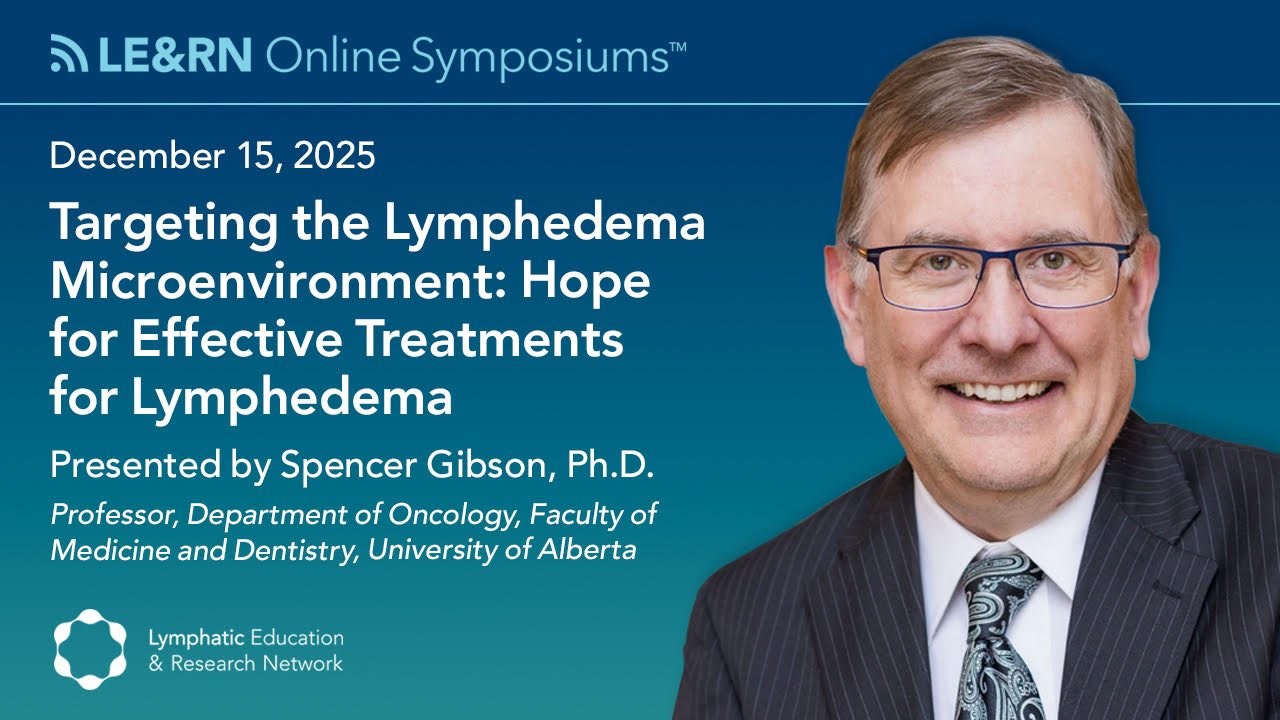
Description:
Dr. Spencer B. Gibson is the Dianne and Irving Kipnes Endowed Chair in Lymphatic Disorders and a Professor in the Department of Oncology at the University of Alberta’s Faculty of Medicine and Dentistry. He completed his PhD in Clinical Biochemistry at the University of Toronto in 1997, followed by a pre-doctoral fellowship at M.D. Anderson Cancer Center. Dr. Gibson began his academic career at the University of Manitoba in 1999, where he helped establish and expand the Manitoba Tumor Bank and later served as Director of the Cancer Care Manitoba Research Institute (2012–2015). As Director of Translational Research, he built key infrastructure to unite multidisciplinary teams and advance impactful cancer research.
Summary of the talk:
Lymphedema is a major, often lifelong challenge for cancer patients, particularly those who undergo lymph node removal or radiation. These treatments can disrupt the lymphatic system, leading to chronic swelling, pain, and infections that significantly affect quality of life. Not everyone with lymphatic damage develops lymphedema—and Dr. Gibson has dedicated his career to understanding why. His research group has identified microenvironmental stresses within the lymphatic system as key drivers of disease progression. By targeting and alleviating these stresses, his team is uncovering promising pathways toward therapies that may prevent or slow the onset of lymphedema in the future.
Key takeaways for attendees:
- Lymphedema microenvironmental stress is important
- Lipotoxicity could be a target for treatment.
- Microenvironmental stress could be a biomarker for lymphedema.


